

How to determine if a Track Roller Group needs to be replaced?
Determining whether a track roller group needs to be replaced is a crucial task for equipment owners and operators. As a supplier of track roller groups, I understand the importance of this decision. In this blog, I will share some key factors and methods to help you decide if it's time to replace your track roller group.
Understanding the Role of Track Roller Groups
Track roller groups are essential components in tracked machinery such as bulldozers, excavators, and mini backhoes. They support the weight of the machine, guide the track, and ensure smooth movement. The track rollers are designed to withstand heavy loads, friction, and harsh operating conditions. However, over time, they can wear out, leading to reduced performance and potential damage to other parts of the machine.
Visual Inspection
One of the first steps in determining if a track roller group needs to be replaced is a visual inspection. This can reveal obvious signs of wear, damage, or malfunction.
Wear on the Roller Surface
Check the surface of the track rollers for signs of excessive wear. Look for grooves, scratches, or uneven wear patterns. If the roller surface is worn beyond the recommended limits, it can cause uneven track tension, increased friction, and premature wear of the track. For example, on a D6R Bulldozer Track Roller, excessive wear on the roller surface can lead to poor traction and reduced maneuverability.
Damage to the Seals
The seals on the track rollers are designed to keep out dirt, debris, and moisture, and to retain the lubricant. Inspect the seals for any signs of damage, such as cracks, cuts, or leaks. Damaged seals can allow contaminants to enter the roller, leading to bearing failure and reduced roller life.
Bent or Broken Rollers
Look for any signs of bending or breakage in the track rollers. A bent roller can cause the track to run unevenly, while a broken roller can completely disrupt the operation of the machine. If you notice any bent or broken rollers, it is a clear indication that the track roller group needs to be replaced.
Measurement of Wear
In addition to visual inspection, measuring the wear of the track rollers can provide more accurate information about their condition.
Diameter Measurement
Use a caliper to measure the diameter of the track rollers at several points along the surface. Compare the measured diameters with the manufacturer's specifications. If the diameter has decreased beyond the recommended tolerance, it indicates significant wear, and the rollers may need to be replaced.
Width Measurement
Measure the width of the track rollers as well. Excessive wear on the sides of the rollers can cause the track to shift, leading to uneven wear and potential derailment. If the width measurement is outside the acceptable range, it is a sign that the track roller group may need to be replaced.
Performance Evaluation
The performance of the tracked machine can also provide clues about the condition of the track roller group.
Noise and Vibration
Pay attention to any unusual noise or vibration coming from the track system. Excessive noise or vibration can be a sign of worn or damaged track rollers. For example, a clicking or rattling noise may indicate a loose or damaged roller bearing, while excessive vibration can be caused by unevenly worn rollers.
Track Tension and Alignment
Check the track tension and alignment regularly. If the track is too loose or too tight, it can put additional stress on the track rollers, leading to premature wear. Misaligned tracks can also cause uneven wear on the rollers and other undercarriage components. If you notice any issues with track tension or alignment that cannot be corrected, it may be due to worn track rollers.
Reduced Machine Performance
If you notice a decrease in the performance of the tracked machine, such as reduced speed, power, or maneuverability, it could be related to the condition of the track roller group. Worn track rollers can cause increased friction, which requires more power to move the machine, resulting in reduced efficiency.
Operating Conditions
The operating conditions of the tracked machine can also affect the lifespan of the track roller group.
Harsh Environments
Machines operating in harsh environments, such as construction sites with a lot of dirt, dust, and debris, or mining operations with abrasive materials, are more likely to experience accelerated wear on the track rollers. In these conditions, the track roller group may need to be replaced more frequently.
Heavy Loads
If the machine is frequently operated under heavy loads, the track rollers will be subjected to greater stress, which can lead to faster wear. Monitor the load capacity of the machine and adjust the maintenance schedule accordingly.
Maintenance History
Review the maintenance history of the track roller group. Regular maintenance, such as lubrication and inspection, can extend the lifespan of the track rollers. However, if the maintenance has been neglected, the track rollers may be more likely to wear out prematurely.

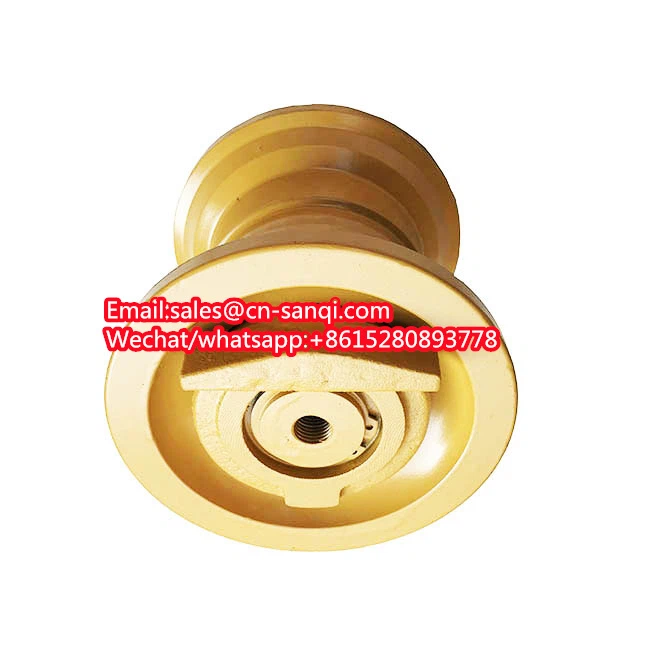
When to Replace the Track Roller Group
Based on the above factors, here are some general guidelines on when to replace the track roller group:
- Excessive Wear: If the wear on the roller surface, diameter, or width exceeds the manufacturer's specifications, it is time to replace the track roller group.
- Damage: Any signs of damage, such as bent or broken rollers, damaged seals, or bearing failure, require immediate replacement.
- Performance Issues: If the machine's performance is significantly affected by the condition of the track roller group, such as reduced speed, power, or maneuverability, replacement is necessary.
- Operating Conditions: In harsh operating conditions or under heavy loads, it may be necessary to replace the track roller group more frequently, even if there are no obvious signs of wear or damage.
Conclusion
Determining if a track roller group needs to be replaced requires a combination of visual inspection, measurement, performance evaluation, and consideration of the operating conditions and maintenance history. By regularly monitoring the condition of the track roller group, you can ensure the optimal performance and longevity of your tracked machinery.
If you are in need of a new track roller group for your Mini Backhoe Excavator Parts or 772147 - 37300 Excavator Track Roller, or if you have any questions about track roller group replacement, please feel free to contact us for more information and to discuss your specific needs. We are here to provide you with high-quality track roller groups and professional advice to keep your machinery running smoothly.
References
- Manufacturer's manuals for tracked machinery
- Industry standards for undercarriage components
- Technical literature on track roller design and maintenance